Swap at Your Own Risk?

The Truth About Fabric Substitution in Sewing
It’s happened to every sewist. You fall in love with a pattern — maybe it’s the perfect wrap dress or a dreamy button-up shirt — and then you check the fabric recommendations. “Rayon challis or viscose crepe,” it says. But your stash is full of cotton lawns. Or maybe you’ve spotted a bold linen you’re itching to try. The question looms: Can I swap the fabric?
The short answer? Yes — but with caution. The long answer? It depends on understanding how fabric behaves, and what your pattern is really asking for. Swapping one fabric for another isn’t just about aesthetics. It can make or break a project. Choose wisely, and you’ll create a unique, wearable piece that still fits and flows beautifully. Choose poorly, and you might end up with a stiff, sagging, or shapeless disappointment.

Why Fabric Recommendations Exist

Pattern designers don’t include fabric suggestions just for fun. Those recommendations are based on how the garment was designed, tested, and meant to move.

The fabricchoice influences:

  • Drape: How fabric falls or clings to the body
  • Structure: How much body or stiffness it provides
  • Stretch: Whether it molds to curves or needs shaping
  • Weight: The thickness and heaviness of the material
  • Ease of construction: Whether it’s slippery, bulky, frays easily, etc.

So when a pattern suggests “lightweight rayon,” it’s not just a preference — it’s a guideline rooted in function.

The Risk of Going Rogue

When you swap fabric without understanding its properties, you risk:

  • A boxy fit where the design calls for fluidity
  • Gathers that won’t sit right or puff awkwardly
  • A collar that won’t lie flat
  • A hem that flares stiffly instead of swinging
  • Seams that pucker or stretch out

What looked romantic and breezy in the sample photo can turn into a shapeless sack — or worse, an unwearable frustration — if the fabric choice is off.

When You Can Substitute — and How to Do It Smartly

Fabric substitution isn’t forbidden — it’s a skill. And the more you understand your materials, the more confidently you can adapt and experiment.

Here’s how to do it wisely:
1. Understand the Original Fabric’s Qualities
Start with research. If the pattern recommends viscose, look up its weight, drape, and
stretch. Is it fluid and light? Slightly clingy? Prone to fraying?
Then ask: What role does this fabric play in the design?

  • Is it meant to flow around the body?
  • Does it need to hold shape, like in a pleated skirt or crisp collar?
  • Will it need to stretch, like in a knit top?

2. Match Behavior, Not Just Content
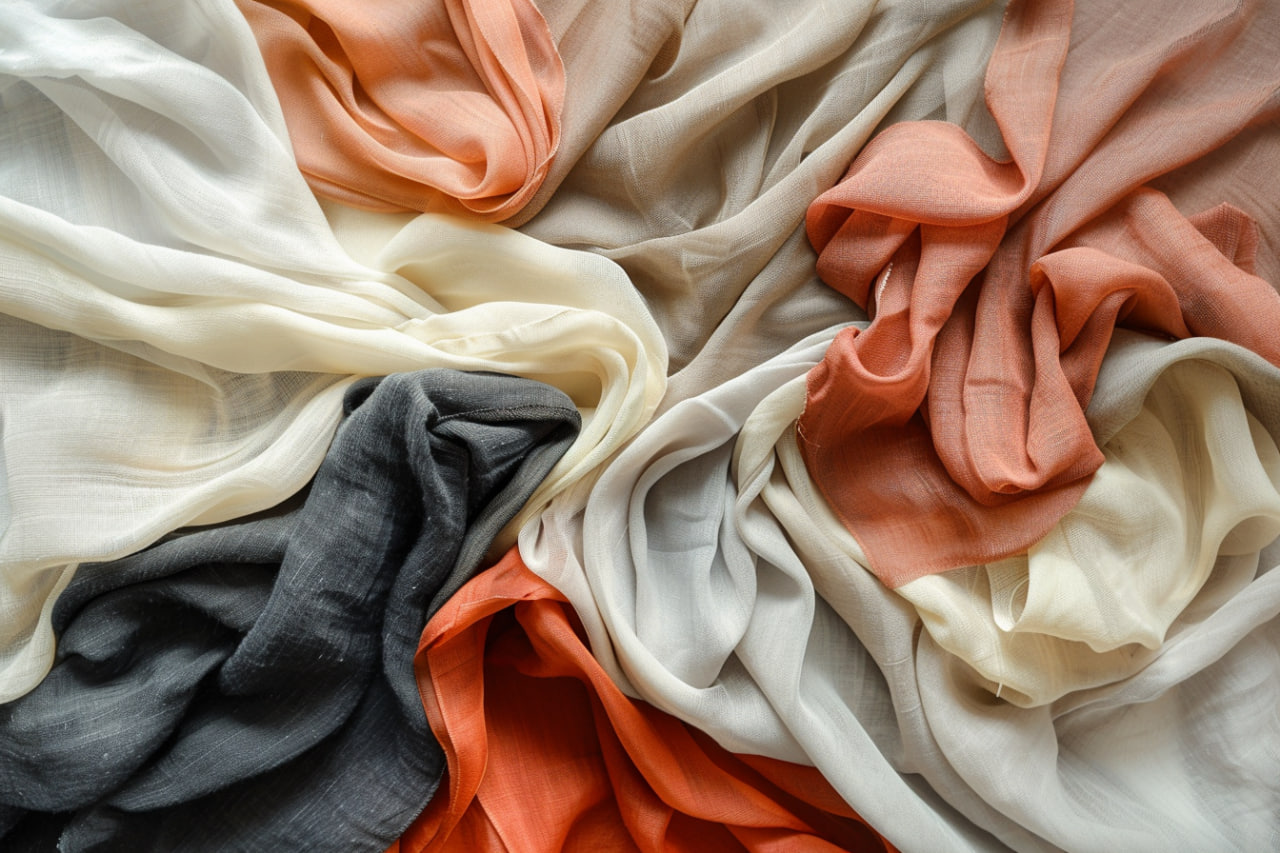
Just because two fabrics are both cotton doesn’t mean they behave the same. Cotton lawn is light and crisp; cotton twill is thick and structured. Linen drapes differently than rayon, even if they’re similar in weight.
Your goal is to match the behavior of the original fabric:

  • For flowy patterns (like maxi dresses, gathered blouses): look for fabrics with drape — rayon, Tencel, silk, or soft poly blends.
  • For structured styles (like trousers, tailored shirts): use stiffer fabrics like cotton poplin, linen, or twill.
  • For stretch patterns, only use fabrics with similar stretch and recovery — check the percentage on the bolt or label.

3. Make a Test Garment (Muslin)
If you’re unsure, make a test version in similar but inexpensive fabric (or in the substitute itself if you’re nervous). It’s the best way to see how your new fabric choice affects fit, movement, and silhouette before cutting into your good stuff.
Even a partial muslin — testing just the bodice or waistband — can reveal a lot.

4. Adapt Your Construction Techniques
Swapping fabric may also require changes in how you sew:

  • Slippery fabrics may need French seams or tissue paper under the presser foot.
  • Structured fabrics might need graded seams or more pressing.
  • Knit fabrics demand stretch stitches and appropriate needles.
    Always do a test stitch before starting the actual garment.

Fabric Swapping Wins (and Cautionary Tales)

Plenty of seasoned sewists will tell you that some of their best makes came from bold fabric substitutions — and some of their worst, too. That boxy linen version of a drapey blouse? Lesson learned. That unexpected corduroy pinafore that wasn’t even in the instructions? Favorite piece of the year. With every success and every stumble, you learn more about the materials you work with — and the kind of garments you truly love to wear.

Final Stitch

Fabric substitution isn’t a mistake. It’s a creative decision — and a powerful one. But like any creative choice, it works best with knowledge, planning, and a willingness to experiment.
So the next time you wonder if you can swap the recommended fabric, ask instead: Do I understand what this fabric does? And can I make mine do something similar — or something even better?
When you do, you’re not just sewing — you’re designing.

share this post:

Facebook
Pinterest
Telegram
Reddit
LinkedIn
Pocket

Want some more? Here...

Press to Impress

The Ironing Trick That Instantly Upgrades Your Sewing
There’s a silent hero in every well-sewn garment, and it’s not the machine, the fabric, or even the hands that stitched it. It’s the iron. While it may seem mundane compared to the thrill of cutting fabric or the satisfaction of topstitching, pressing is one of the most powerful tools in your sewing arsenal. And yet,it’s often skipped or rushed, especially by beginners eager to see a project come together.

Read more

Pajamas as Outerwear

Pajamas as Outerwear: The Rise of Relaxed Luxury in Fashion

Pajamas have long been associated with comfort, relaxation, and bedtime rituals.

Read more